🌍 At the heart of the realities: Dialogue with communities

«Weaving children's rights with the knowledge of the territory.»

Read now

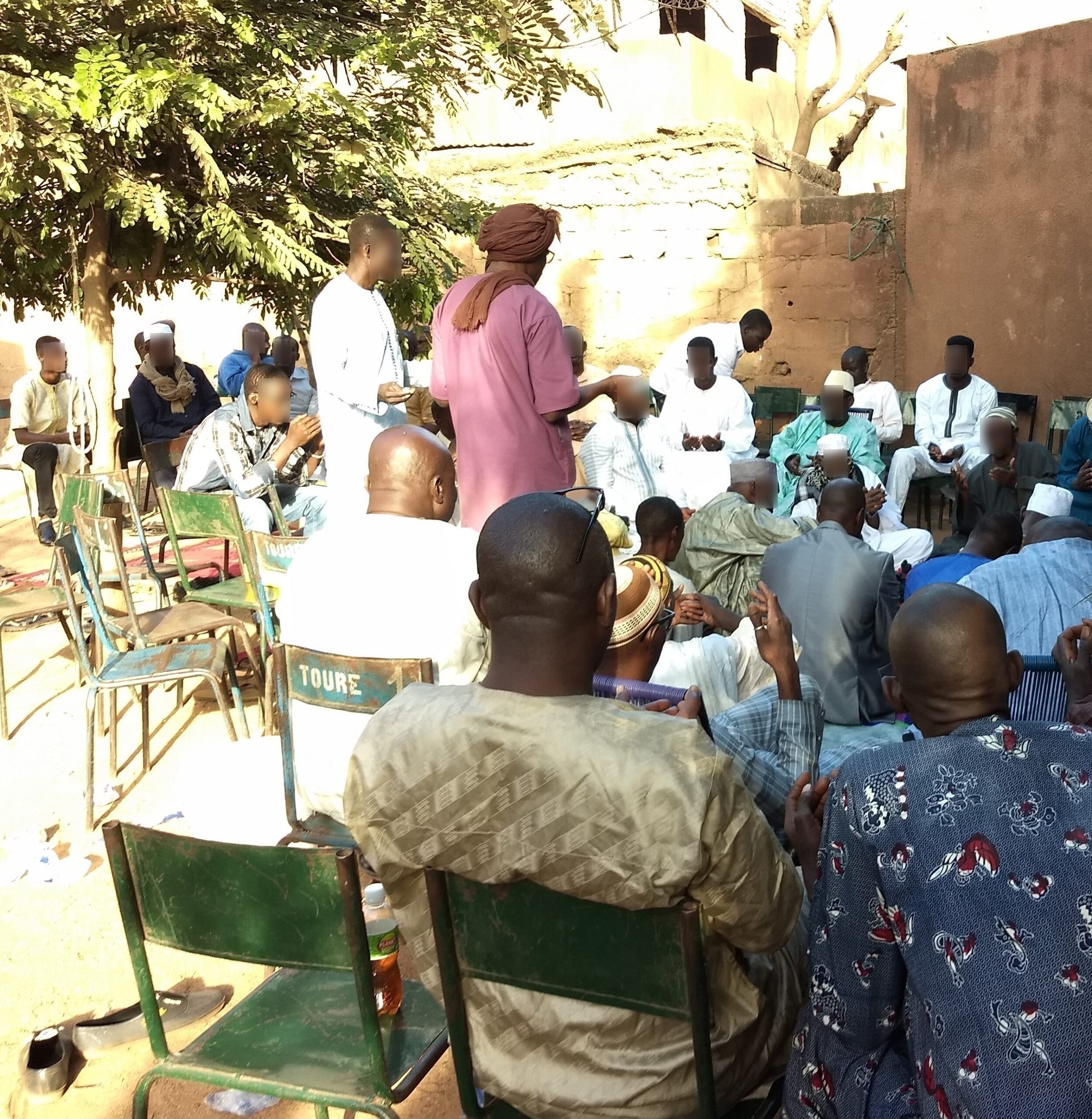
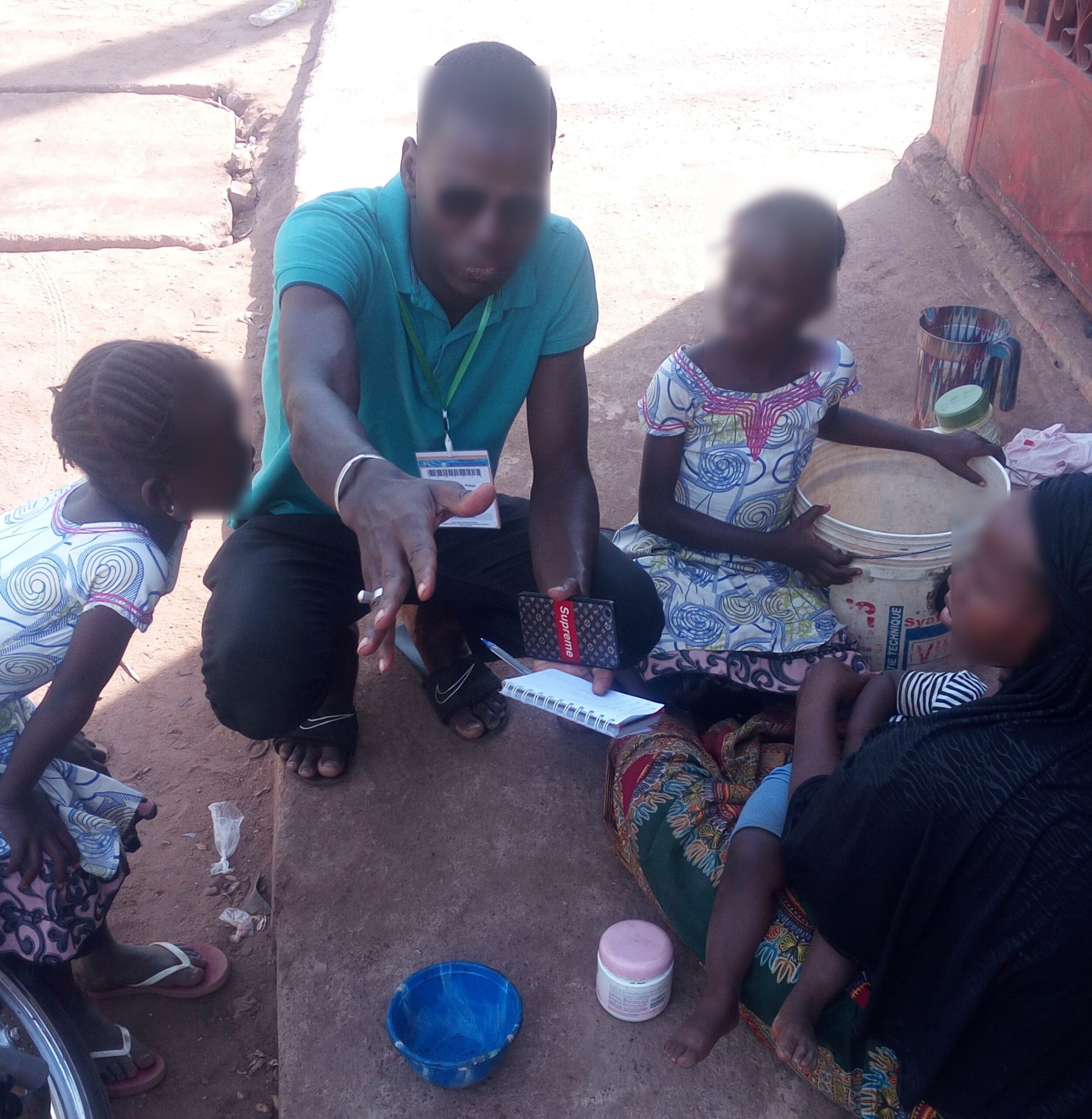
This meeting, in the heart of a neighbourhood in Bamako, illustrates the very essence of our approach. Around the same table, community leaders, traditional authorities and grassroots actors unite their voices and experiences. For the Réseau Enfance Afrique, no sustainable project can be built without this debate of ideas, imbued with mutual respect. It is by listening to the guardians of endogenous knowledge and by dialoguing directly with the driving forces of the community that we manage to build, together, a protective and adapted environment for every child.

🛡️ Field presence: Reaching out to the most vulnerable

«Breaking isolation and restoring a future.»

Read now

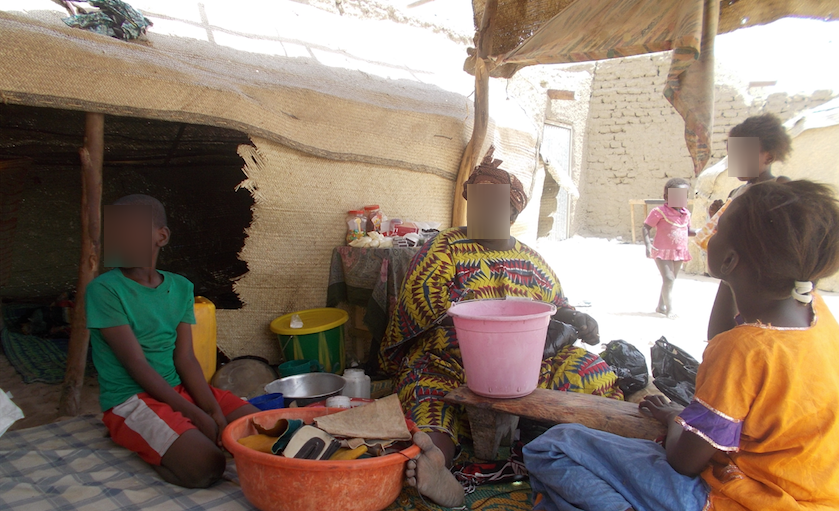
Sur le terrain, au plus près de la réalité des rues de Bamako, les enquêteurs du Réseau Enfance Afrique et AMAPISE (Association Malienne pour l’Appui à la Promotion et aux Initiatives des Savoirs-Faire Endogènes) mènent un travail de veille et de protection indispensable, à l’image de cet accompagnement auprès d’une mère et de ses deux petites filles en situation de mendicité. Loin de tout jugement, notre rôle est de tisser un lien de confiance, d’évaluer les besoins de ces enfants vulnérables et de proposer des alternatives durables pour les extraire de la précarité de la rue.

🦺 Acting in the face of emergency: The protection of Talibé children

«So that the street is no longer their only horizon.»

Read now

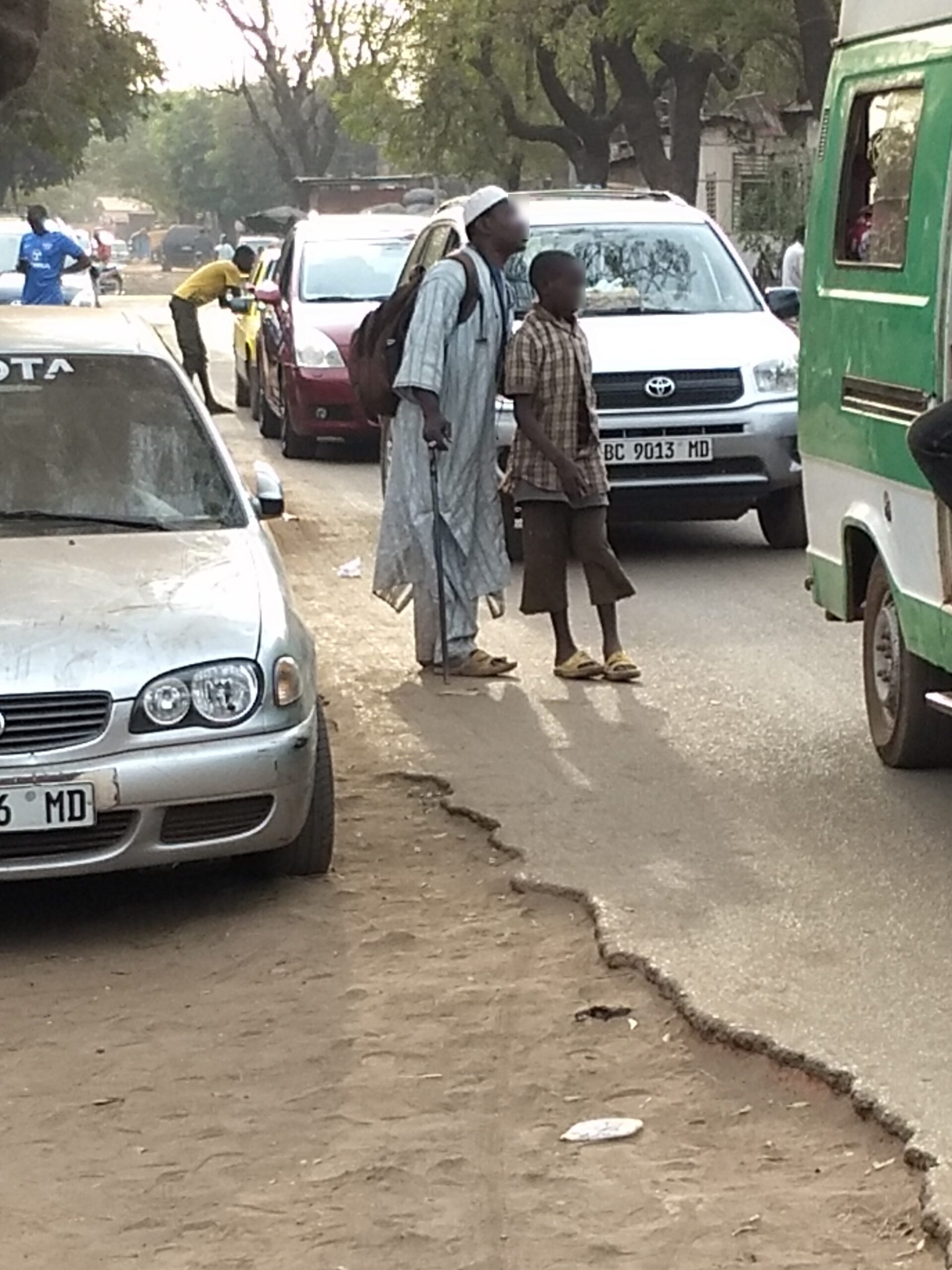
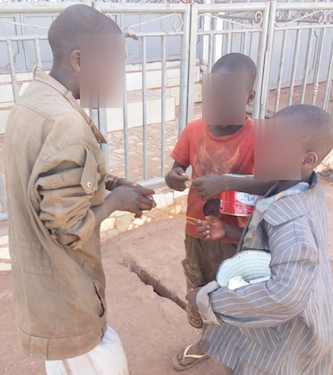
This daily reality in Bamako's traffic reinforces the urgency of our actions. These very young talibé children, left to beg amidst road traffic, are exposed to immense dangers regarding their safety, health and development. Faced with this extreme vulnerability, the Réseau Enfance Afrique is mobilising tirelessly. Our objective is to raise awareness, advocate with key stakeholders and put in place reception and care systems to offer these children a dignified alternative, access to healthcare and an education that protects them from the dangers of the street.

📰 Our Latest Articles — Field Chronicles

Fostering Children in Mali: What 8 Years of Field Research Reveal

A deeply rooted cultural practice, caught between family solidarity and institutional blind spots.

Read the article →

Fostering in West Africa: A Traditional Practice Facing Modernity

Eight years of fieldwork in Bamako reveal how rupture can occur from the very moment the fostered child arrives.

Read the article →

Street Children in West Africa: What Eight Years of Fieldwork Reveal

Published in The Conversation Africa — the categories of street children, decoded through research.

Read the article →

Protecting Children on the Move in Mali: The Blind Spot of Current Mechanisms

Published in The Conversation France — an informal, yet very real, community alert system.

Read the article →

Fostering Children in Mali: What 8 Years of Field Research Reveal

A deeply rooted cultural practice, caught between family solidarity and institutional blind spots.

Read the article →

Fostering in West Africa: A Traditional Practice Facing Modernity

Eight years of fieldwork in Bamako reveal how rupture can occur from the very moment the fostered child arrives.

Read the article →

Street Children in West Africa: What Eight Years of Fieldwork Reveal

Published in The Conversation Africa — the categories of street children, decoded through research.

Read the article →

Protecting Children on the Move in Mali: The Blind Spot of Current Mechanisms

Published in The Conversation France — an informal, yet very real, community alert system.

Read the article →

From Field to Action: A Method That Delivers


« Understand before acting, transform without imposing »

Every investigation conducted, every dialogue built with a family, a village chief, or a religious authority, enriches a nuanced understanding of local realities. It is this lived knowledge of the field — not an imported theory — that guides each of our interventions, from child fostering to community conflicts, including food security.


            A Community of Conviction

« Researchers, traditional chiefs, families: one common voice »

It is not reports that drive our action, but faces, voices, relationships built over time with the Traditional Authorities and Legitimacies of West Africa. A community gathered around a simple conviction: understand a society before seeking to transform it.
🌍 National & Regional News — Child Protection
ReliefWeb

Child Protection Response Monitoring in Mali 2025

Read →
ReliefWeb

Mali: Education Cluster Meeting Minutes, July 2026

Read →
World Vision

Mali: Children's Education Under Threat

Read →
UN Mali

Mali's Children Call for Budgets Sensitive to Their Rights

Read →
UNICEF Mali

Child Protection: Creating Change for Mali's Most Vulnerable Children

Read →
Child Protection Mali

Primero / CPIMS+: The Child Protection Information Management System

Read →
UNESCO Mali

4th Edition of Mali's National Day of Traditional Authorities and Legitimacies

Read →
UNESCO

Religious and Traditional Legitimacies Discover Ancient Manuscripts

Read →
OHCHR

Protecting Children in Street Situations in West Africa

Read →
HCDH

Children in Street Situations: OHCHR and Children

Read →
BBC Afrique

One in Five Children Works: Africa Faces Massive Violation of Children's Rights

Read →
ReliefWeb

Child Protection Response Monitoring in Mali 2025

Read →
ReliefWeb

Mali: Education Cluster Meeting Minutes, July 2026

Read →
World Vision

Mali: Children's Education Under Threat

Read →
UN Mali

Mali's Children Call for Budgets Sensitive to Their Rights

Read →
UNICEF Mali

Child Protection: Creating Change for Mali's Most Vulnerable Children

Read →
Child Protection Mali

Primero / CPIMS+: The Child Protection Information Management System

Read →
UNESCO Mali

4th Edition of Mali's National Day of Traditional Authorities and Legitimacies

Read →
UNESCO

Religious and Traditional Legitimacies Discover Ancient Manuscripts

Read →
OHCHR

Protecting Children in Street Situations in West Africa

Read →
HCDH

Children in Street Situations: OHCHR and Children

Read →
BBC Afrique

One in Five Children Works: Africa Faces Massive Violation of Children's Rights

Read →

Weaving children's rights with the knowledge of our territories

At the intersection of the social sciences, legal pluralism and the legitimacy of Traditional Authorities, the Réseau Enfance Afrique.org models the anthropological realities of West Africa to design sustainable, scientifically evaluable and culturally accepted protection systems.

Reconciling statutory law and customary regulations

Through grassroots mediation corridors linking Mali, Senegal, Guinea and Burkina Faso, the Réseau Enfance Afrique.org collaborates with customary chiefs, spiritual guides and traditional communicators (RECOTRADE) to translate international child protection standards into local cultural codes.


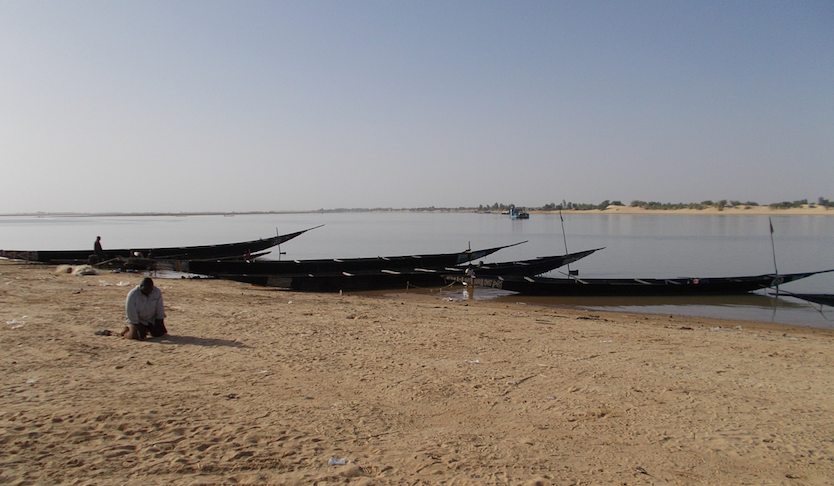
Timbuktu

Intergenerational Dialogue

Participant observation and collection of oral histories concerning child circulation in northern Mali.
Ségou

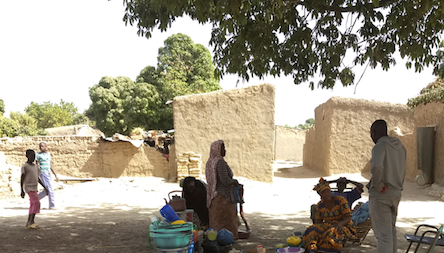
Traditional Mediation

Collaborative work with the population and customary chiefs to transpose protection standards.
Bamako

Mapping of Disconnections

Clinical and quantitative modelling of street trajectories to anticipate vulnerability factors.
Ethnographic field library
Mali 2014-2025 · Hover to pause
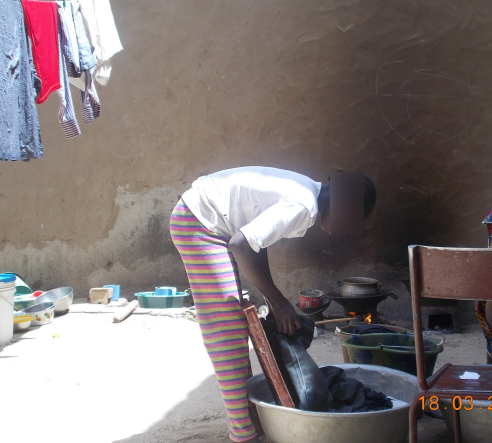
Fille aide-menagere Segou
Early labour
Ségou
Housemaid in Ségou
Entrusted from her village, she contributes to the domestic chores of her host family. Improved access to education remains a priority issue for these fostered children.
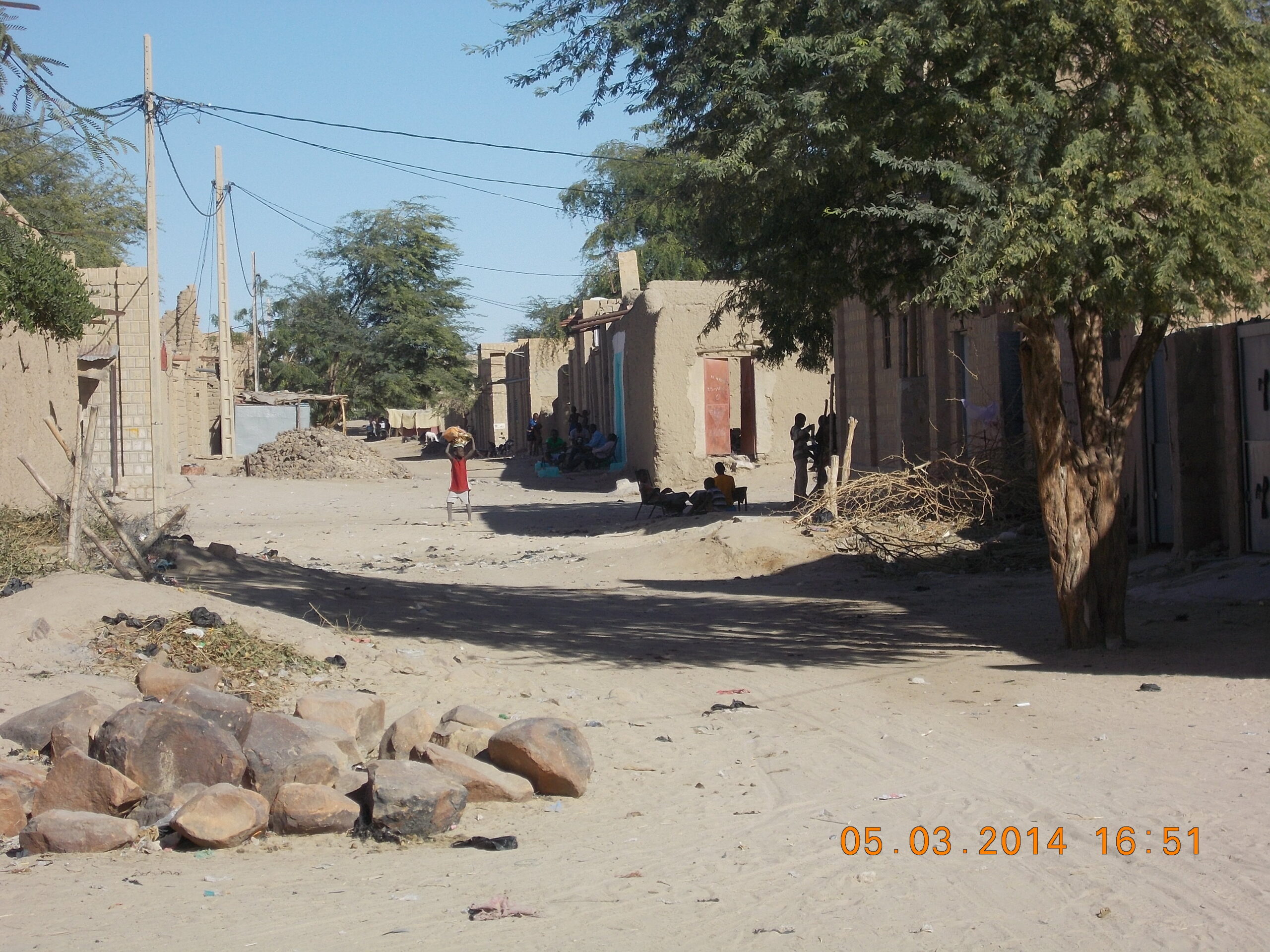
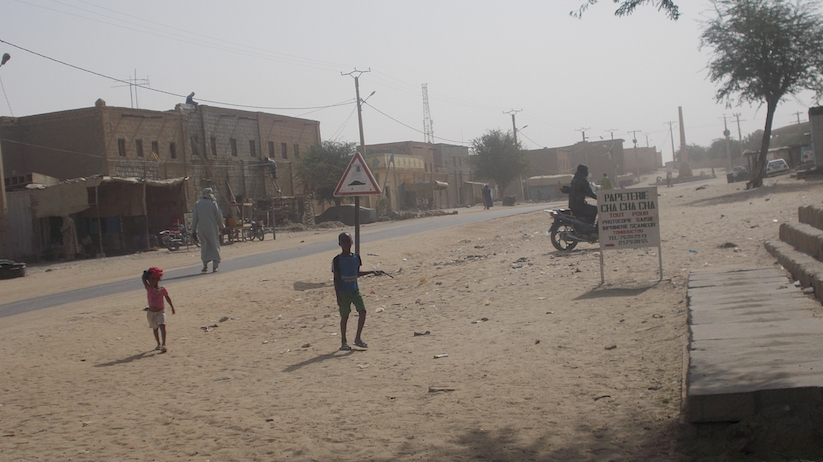
Ruelle Tombouctou
Urban vulnerability
Timbuktu
Alleys of Timbuktu: childhood on the move
Unmonitored mobility is a vulnerability factor documented in our research.
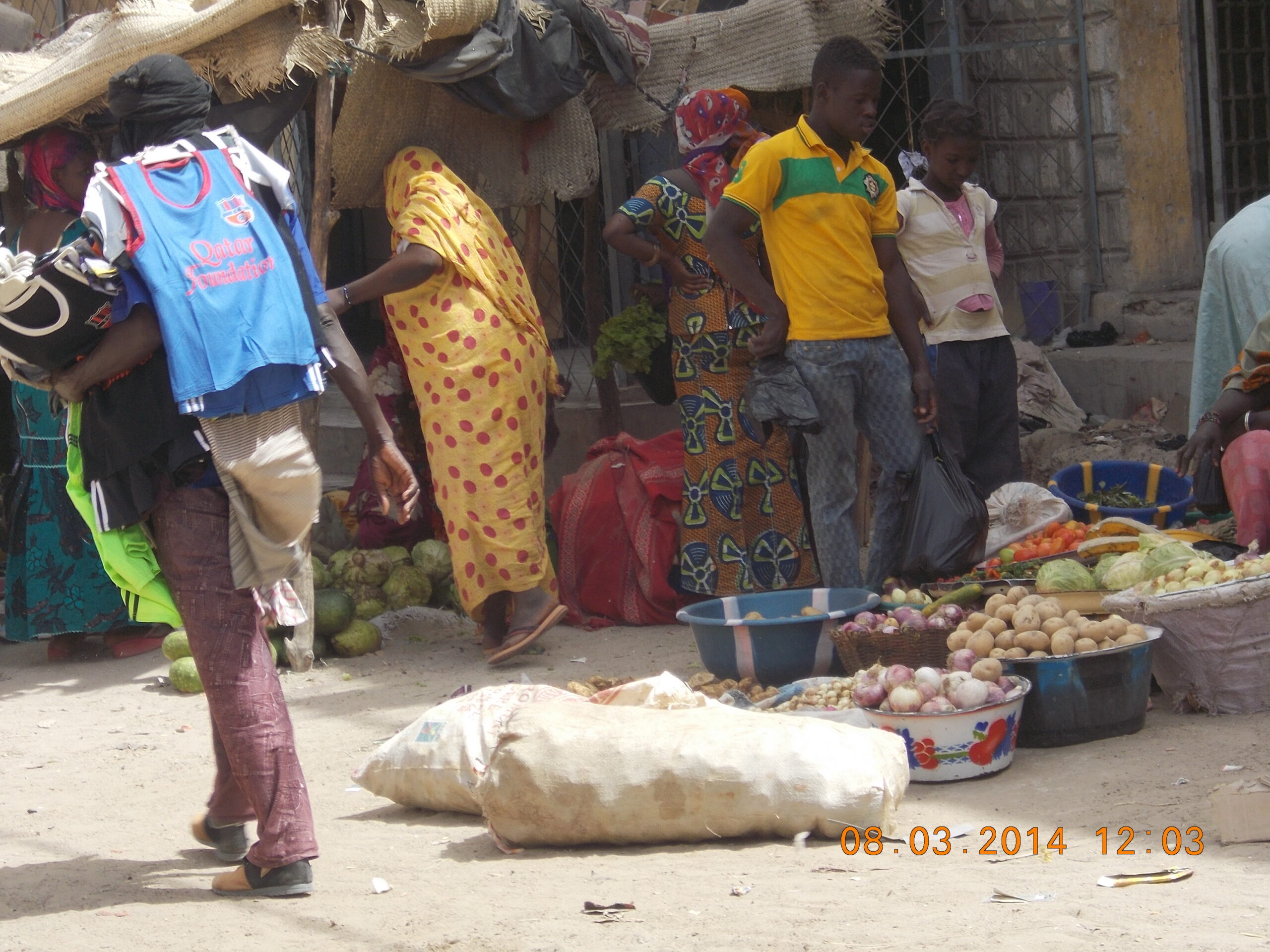
Marche Tombouctou
Confined spaces and mobility
Timbuktu
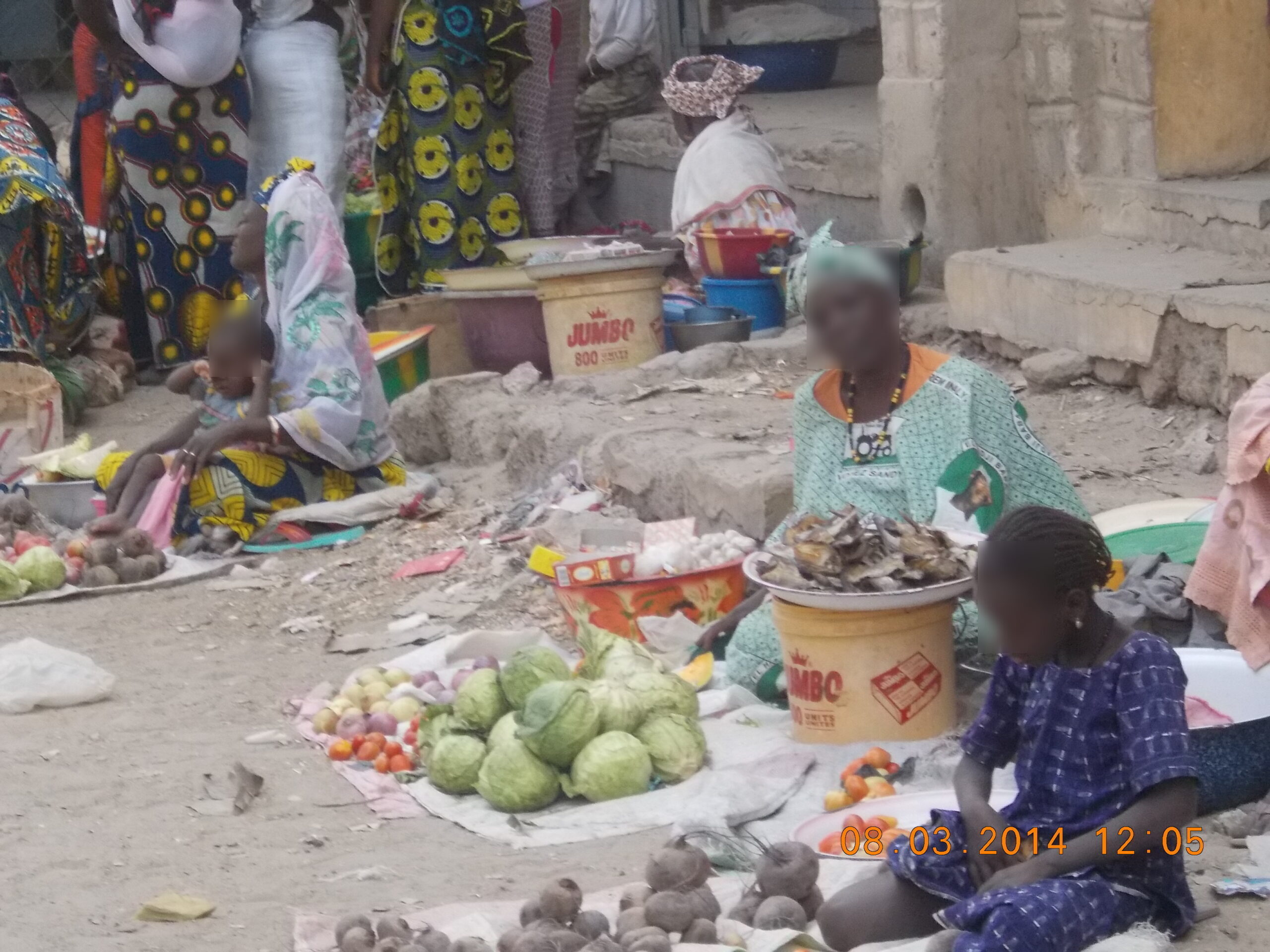
Market: workspace for looked-after children
These children contribute to an informal economy that still largely escapes any institutional protection.
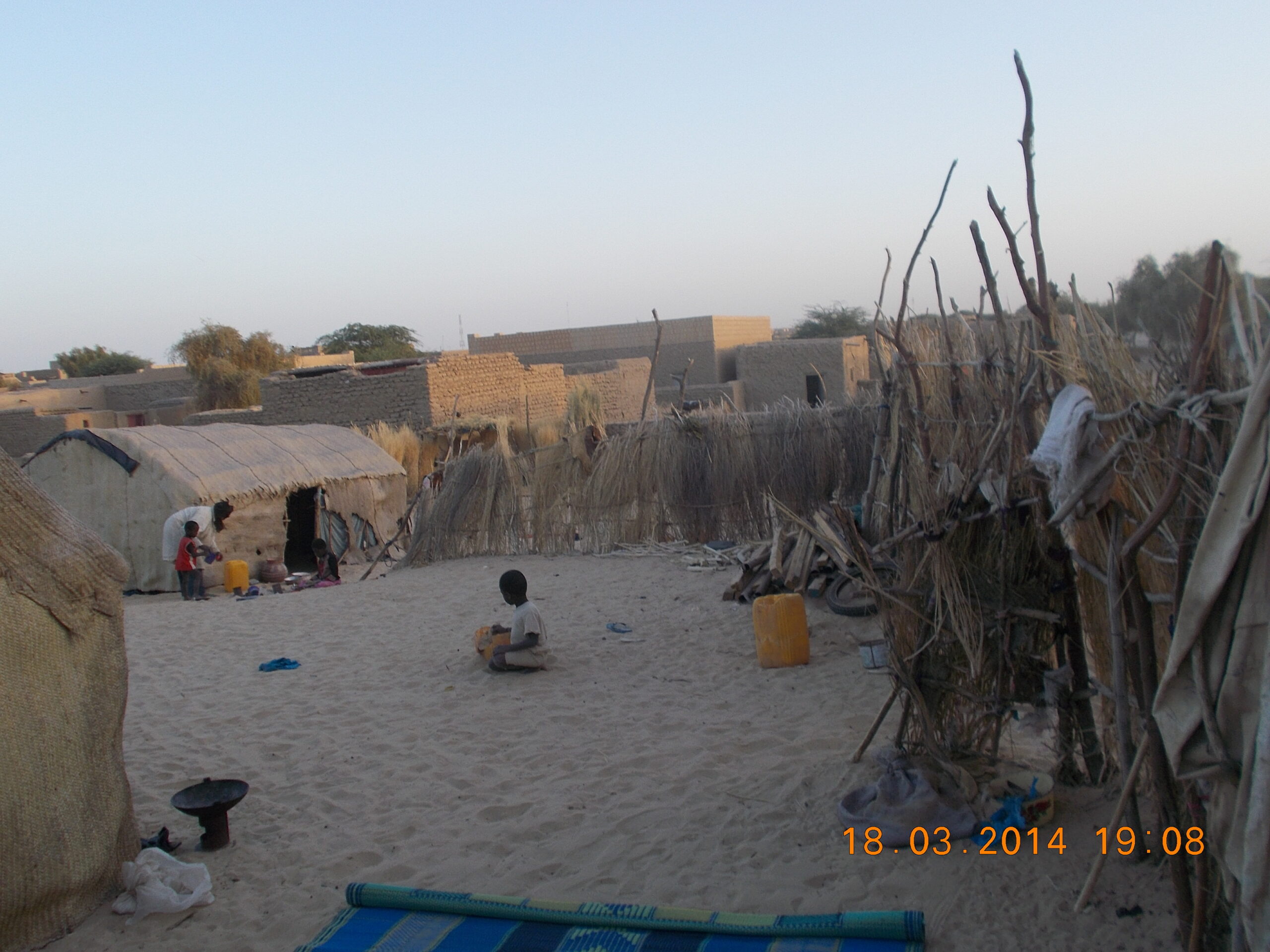
Famille deplacee
Travel and fostering
Timbuktu
Displaced family: childhood in hardship
Forced displacement sometimes triggers emergency fostering without guarantees of protection.
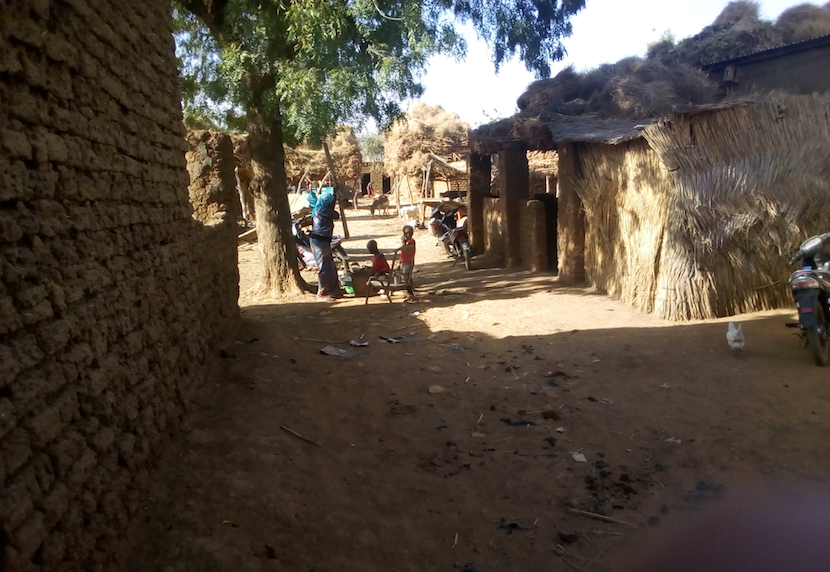
Enfant seul campement
Extreme vulnerability
Northern Mali
Isolation in a rural area, Northern Mali
This situation illustrates the cases of the most complete breakdown of family ties, documented in our surveys on vulnerability factors.
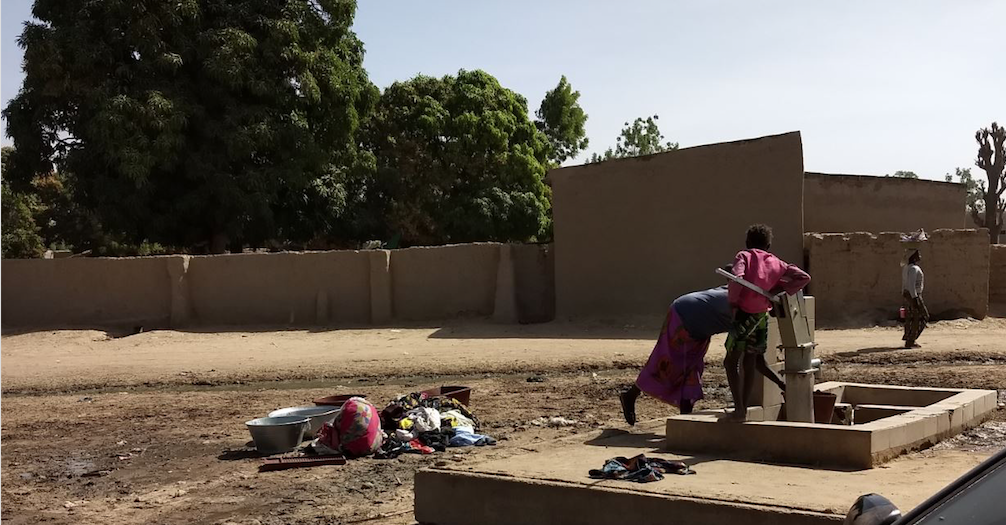
Femme au puits Segou
Water and protection
Ségou
Water: the number one burden for women and girls
The chore of fetching water often limits the schooling time of foster girls. Access to water remains a child protection issue.
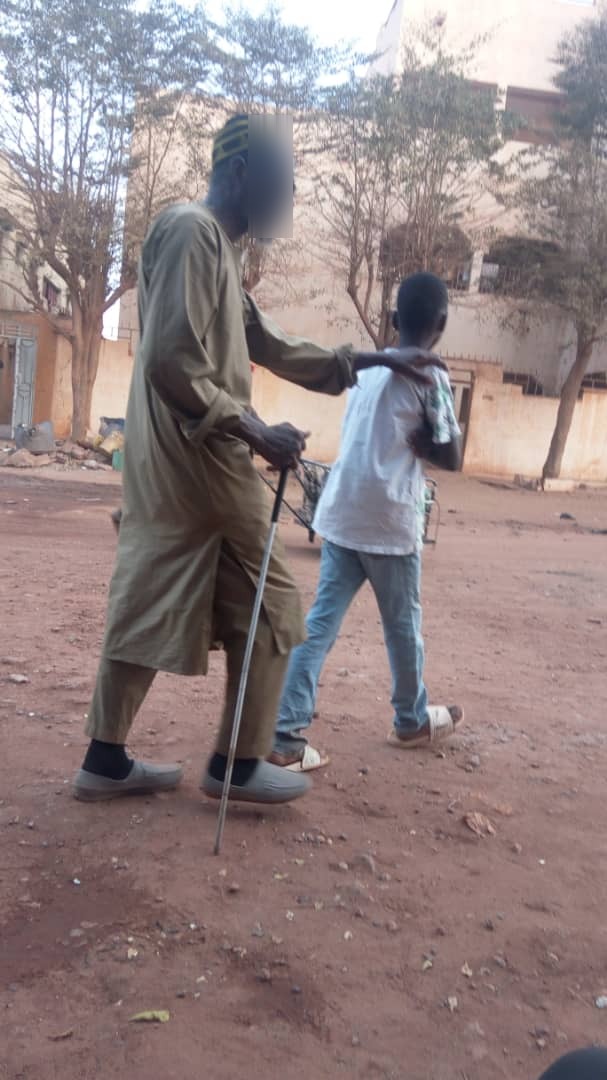
Enfant guide Bamako
Carers
Bamako
Child guide in the heart of the traffic
Vulnerable to accidents and frequently denied schooling, these children highlight a form of exploitation that remains poorly documented.
Enfant assistant handicape
Reverse mentoring
Bamako
The healing child: inverted fostering
These children take on caring responsibilities that limit their access to education.
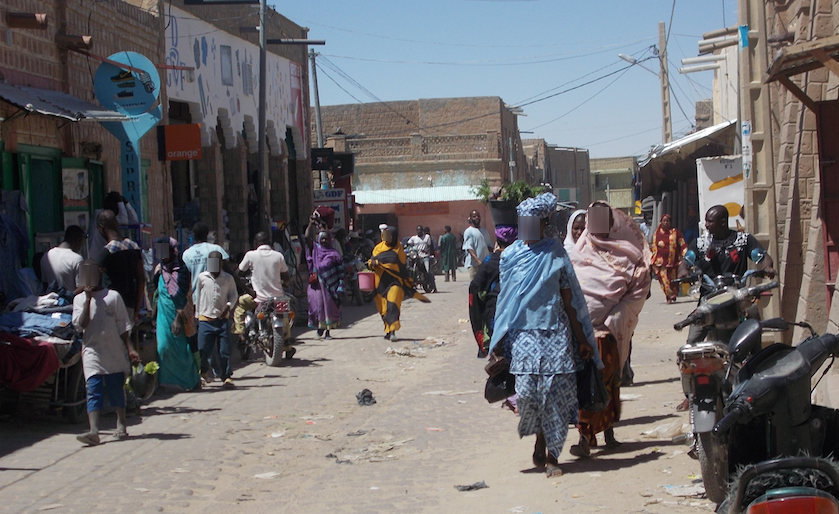
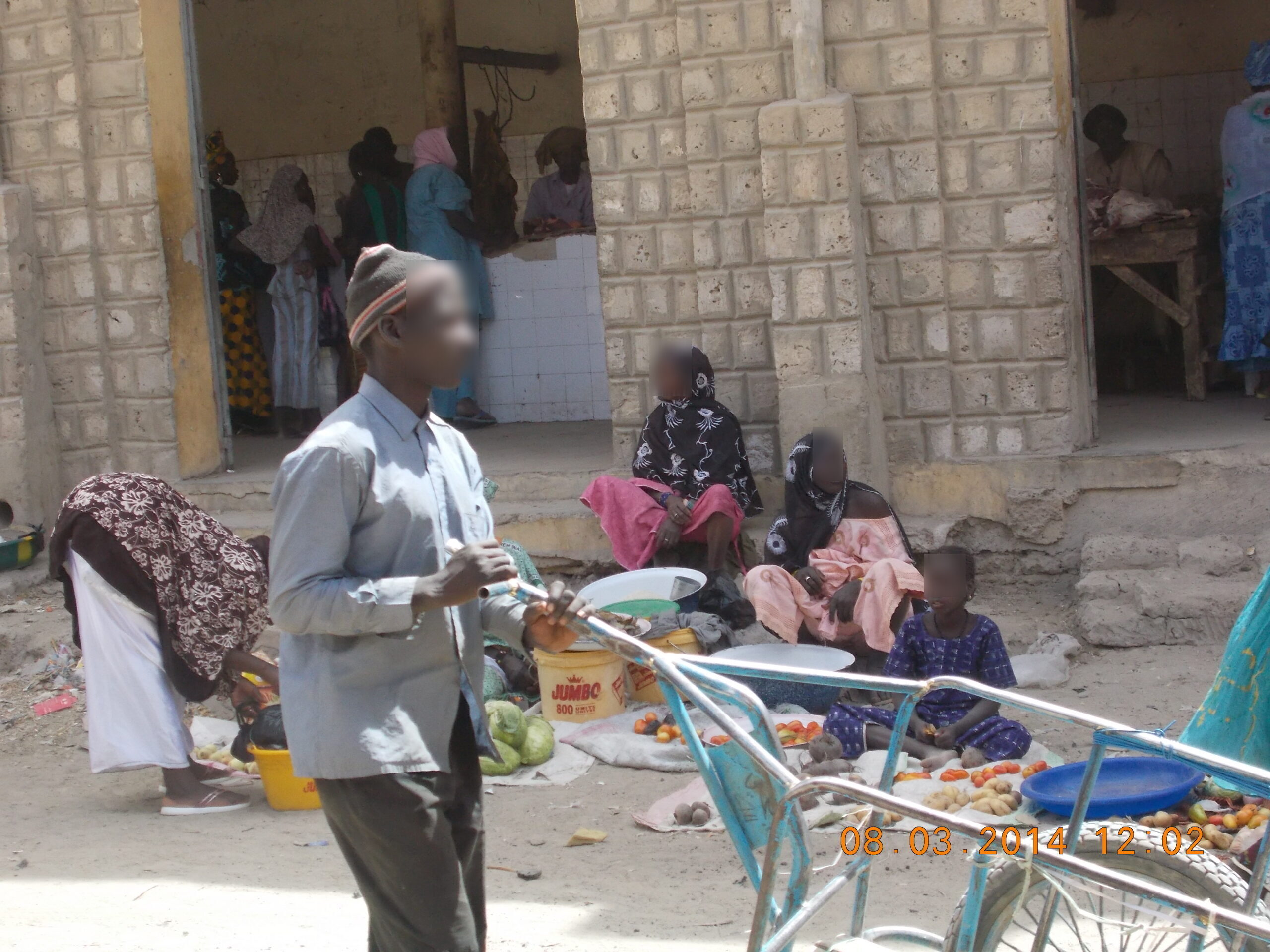
Marche Tombouctou 2014
Market and economy
Timbuktu
Timbuktu Market: women, children, local economy
The informal economy absorbs childhood where protective institutions remain absent.
Jeune porteur Tombouctou
Early labour
Timbuktu
Young porter in Timbuktu
Early physical labour remains an economic reality for many children placed in urban environments, with consequences yet to be documented on their development and schooling.
Rue Tombouctou
Street children
Timbuktu
Main Street, Timbuktu
In the middle of the school day, these children are getting about in a city still weakened by the crisis.
Mopti chez les Dogon
Cultures and childhood
Mopti — Dogon Country
Among the Dogon: childhood between tradition and modernity
Dogon cultural practices regarding child protection remain poorly documented by institutional actors.
Enfants circulation Bamako
Urban vulnerability
Bamako
Children in urban traffic
Exposed daily to the dangers of the street, these children illustrate the urgent need for protection tailored to urban contexts.
Terrain Nord-Mali
Land search
Timbuktu
Ethnographic research: getting closer to the realities
Eight years of fieldwork to document what statistics do not see: the trajectories of vulnerable children.
Fille aide-menagere Segou
Early labour
Ségou
Housemaid in Ségou
Entrusted from her village, she contributes to the domestic chores of her host family. Improved access to education remains a priority issue for these fostered children.
Ruelle Tombouctou
Urban vulnerability
Timbuktu
Alleys of Timbuktu: childhood on the move
Unmonitored mobility is a vulnerability factor documented in our research.
Marche Tombouctou
Confined spaces and mobility
Timbuktu
Market: workspace for looked-after children
These children contribute to an informal economy that still largely escapes any institutional protection.
Famille deplacee
Travel and fostering
Timbuktu
Displaced family: childhood in hardship
Forced displacement sometimes triggers emergency fostering without guarantees of protection.
Enfant seul campement
Extreme vulnerability
Northern Mali
Isolation in a rural area, Northern Mali
This situation illustrates the cases of the most complete breakdown of family ties, documented in our surveys on vulnerability factors.
Femme au puits Segou
Water and protection
Ségou
Water: the number one burden for women and girls
The chore of fetching water often limits the schooling time of foster girls. Access to water remains a child protection issue.
Enfant guide Bamako
Carers
Bamako
Child guide in the heart of the traffic
Vulnerable to accidents and frequently denied schooling, these children highlight a form of exploitation that remains poorly documented.
Enfant assistant handicape
Reverse mentoring
Bamako
The healing child: inverted fostering
These children take on caring responsibilities that limit their access to education.
Marche Tombouctou 2014
Market and economy
Timbuktu
Timbuktu Market: women, children, local economy
The informal economy absorbs childhood where protective institutions remain absent.
Jeune porteur Tombouctou
Early labour
Timbuktu
Young porter in Timbuktu
Early physical labour remains an economic reality for many children placed in urban environments, with consequences yet to be documented on their development and schooling.
Rue Tombouctou
Street children
Timbuktu
Main Street, Timbuktu
In the middle of the school day, these children are getting about in a city still weakened by the crisis.
Mopti chez les Dogon
Cultures and childhood
Mopti — Dogon Country
Among the Dogon: childhood between tradition and modernity
Dogon cultural practices regarding child protection remain poorly documented by institutional actors.
Enfants circulation Bamako
Urban vulnerability
Bamako
Children in urban traffic
Exposed daily to the dangers of the street, these children illustrate the urgent need for protection tailored to urban contexts.
Terrain Nord-Mali
Land search
Timbuktu
Ethnographic research: getting closer to the realities
Eight years of fieldwork to document what statistics do not see: the trajectories of vulnerable children.
📅 Important Dates for Childhood in Africa
16
June

Day of the African Child

Established by the African Union in memory of the Soweto uprising of 1976.

12
June

World Day Against Child Labour

An ILO day to raise awareness of the millions of children still forced into labor.

11
October

International Day of the Girl Child

Dedicated to girls' rights and the specific challenges they face, including early marriage.

20
November

International Children's Rights Day

Anniversary of the UN's adoption of the Convention on the Rights of the Child in 1989.

04
June

International Day of Innocent Children Victims of Aggression

Established by the UN to recognize the suffering of children who are victims of violence and conflict.

16
June

Day of the African Child

Established by the African Union in memory of the Soweto uprising of 1976.

12
June

World Day Against Child Labour

An ILO day to raise awareness of the millions of children still forced into labor.

11
October

International Day of the Girl Child

Dedicated to girls' rights and the specific challenges they face, including early marriage.

20
November

International Children's Rights Day

Anniversary of the UN's adoption of the Convention on the Rights of the Child in 1989.

04
June

International Day of Innocent Children Victims of Aggression

Established by the UN to recognize the suffering of children who are victims of violence and conflict.

Support Research