🔬 Empirical Diagnosis and Social Ruptures
Beyond the Humanitarian Narrative: A Scientific Modeling of Ruptures
Unlike NGO reports centered on emergency assistance, the Réseau EnfanceAfrique.org bases its work on rigorous ethnographic fieldwork, aiming to scientifically model the transformations of child circulation and traditional fostering in West Africa, in the face of contemporary structural pressures (rapid urbanization, the monetization of social relationships, economic individualism).
Our field data reveal a systemic, not coincidental, correlation between the corruption of customary fostering practices and the emergence of the street children phenomenon:
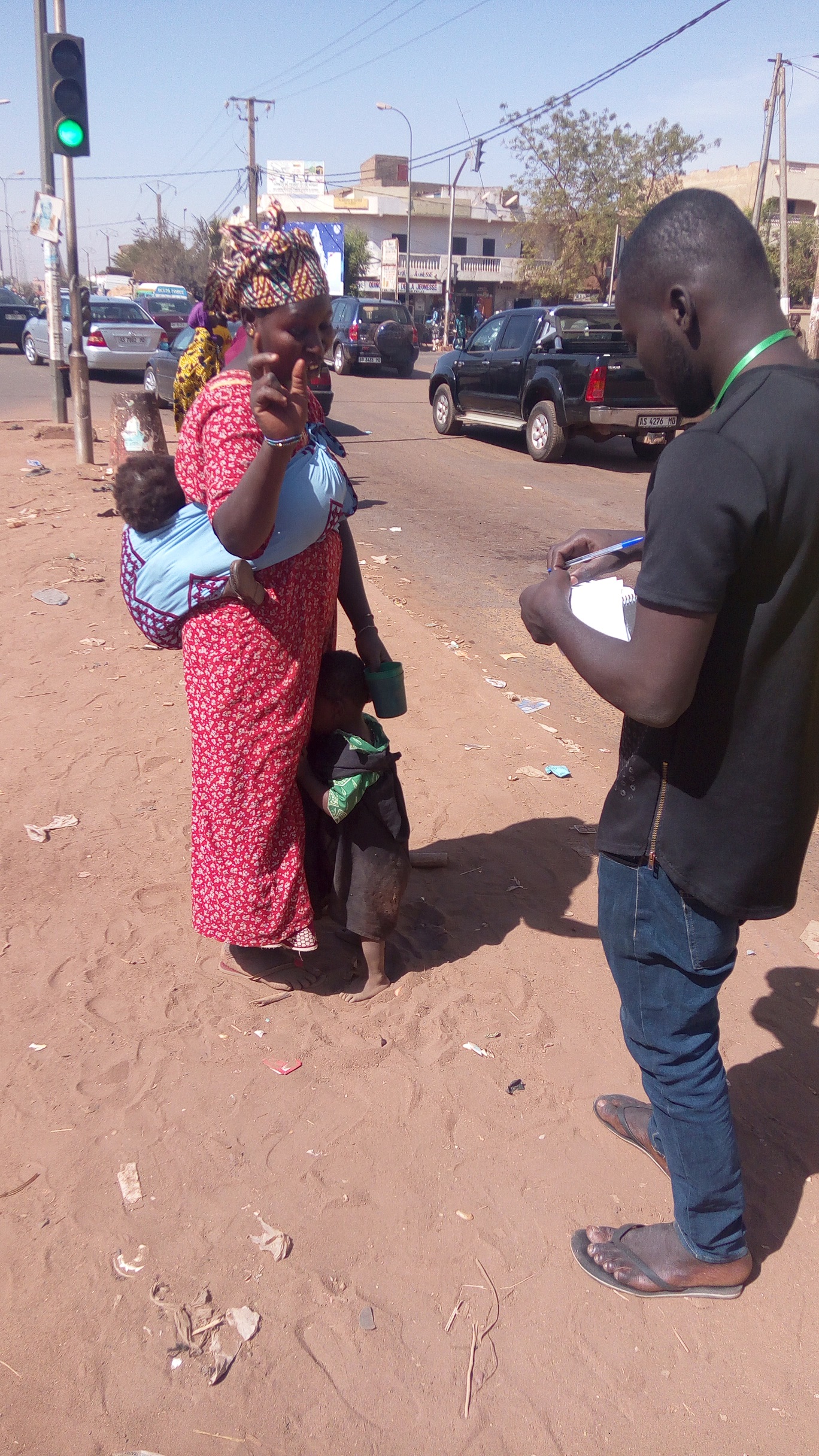
– A unique empirical database: In Bamako, our research protocols enabled the precise mapping and documentation of the trajectories of numerous street children, constituting a highly qualified sample for the analysis of ruptures.
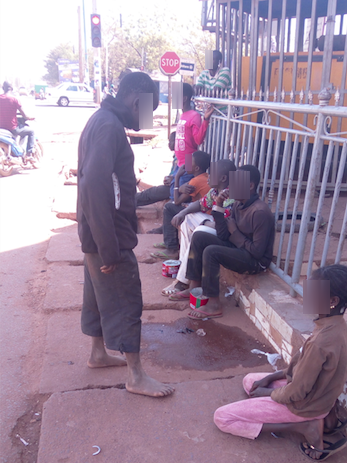
– Deconstructing misconceptions: Our analyses reveal that the majority of these children do not fit into a linear pattern of parental abandonment. They navigate daytime urban survival spaces (begging or working to offset household precarity) before returning to informal shelter arrangements at night.
– Distinct gendered trajectories: Our data reveal a clear divergence by gender — boys predominantly occupy public space (begging, small street trades), while girls are more often absorbed into invisible domestic work within the host household, a distinction rarely documented with this level of precision in the existing literature on West Africa.
– An identifiable tipping point: Contrary to the idea of gradual deterioration, our research isolates specific breaking points — the death of a guardian, a remarriage, an economic shock within the host household — from which a hitherto protective fostering arrangement tips into exposure to the street. This identification paves the way for prevention mechanisms targeted at these critical moments rather than at the general population.
Faced with these transnational dynamics that transcend the borders of Mali, Senegal, Guinea, or Burkina Faso, isolated local analysis is obsolete. Harmonizing responses requires a coordinated methodological framework at the sub-regional level: this is the function of our expertise platform — expertise that we now mobilize well beyond fostering alone, for the full range of ruptures in community cohesion.

⚖️ Legal Pluralism and Operational Mediation
The Normative Interface: Harmonizing Formal Law and Customary Regulations
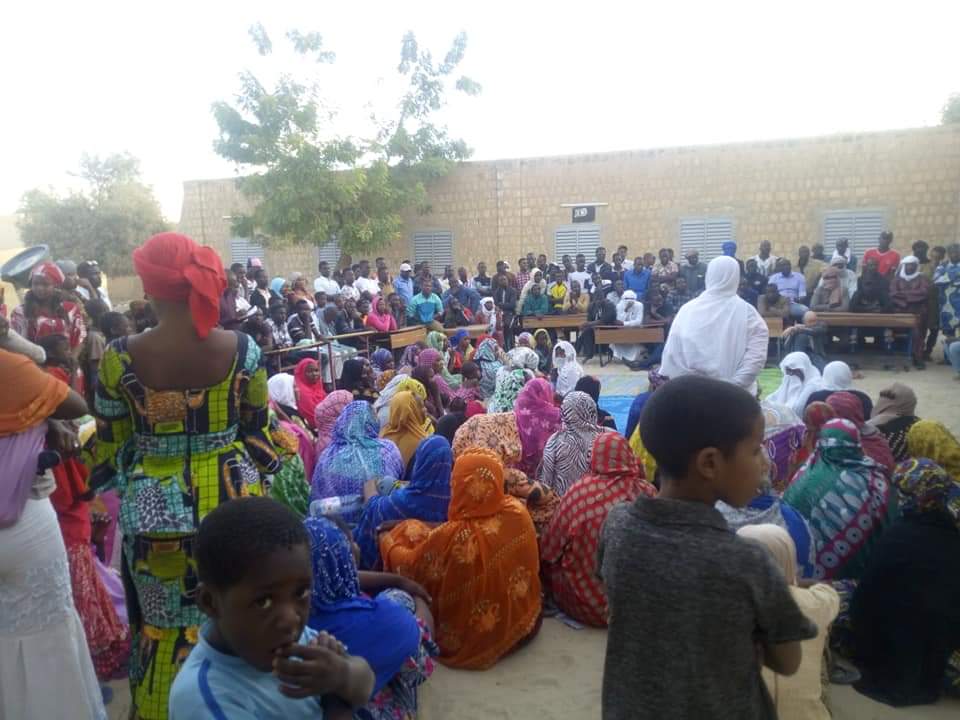
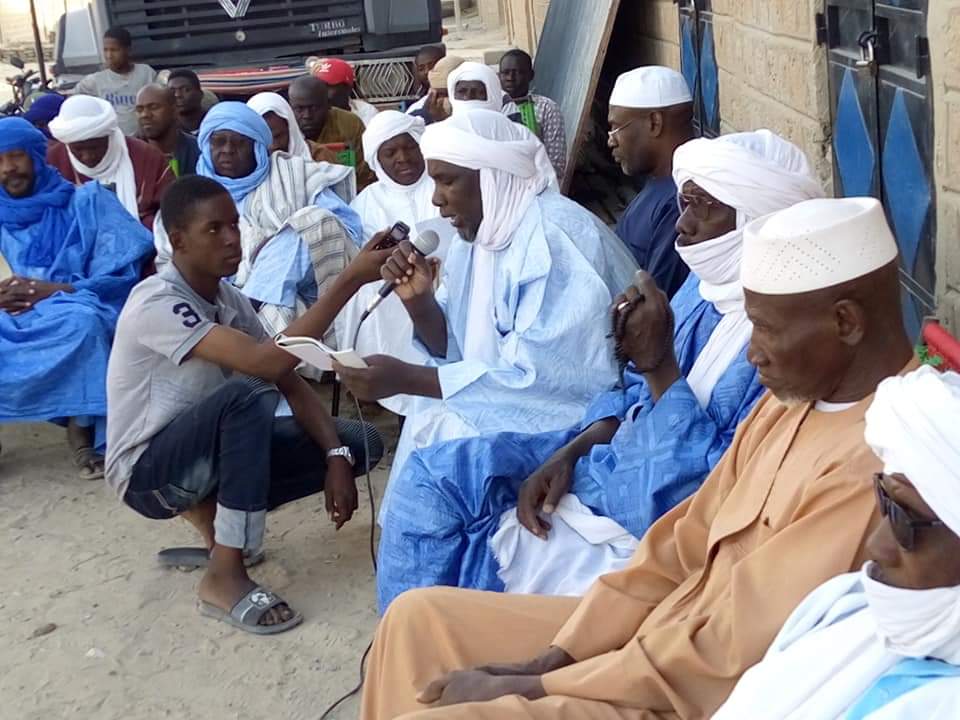
The Réseau EnfanceAfrique.org rejects the sterile opposition between modern legislation and local traditions. Under AMAPISE's institutional anchoring, our "mediation on demand" model mobilizes Traditional Authorities and Legitimacies — village chiefs, spiritual guides, customary notables, women's leadership associations — to resolve, as a priority, conflicts directly affecting children: early marriage, fostering that has become abusive, family disputes over a child's custody.
This mediation relies on a structured sub-regional network and on a partnership with traditional communicators (RECOTRADE) to translate modern legal standards into local languages and cultural codes — a methodology we detail in full, along with the complete list of our partners across the eight countries of intervention, on our dedicated Traditional Mediation page.
« Tradition is not the enemy of children's rights. When properly mobilized, it is their most powerful ally. »
— Dr Drahmane Fondo, AMAPISE / EnfanceAfrique.org
COMPARATIVE DIAGNOSIS: DYNAMICS, VULNERABILITIES AND PLURALISM IN WEST AFRICA
🌍 Circulatory Spaces & Cross-Border Vulnerabilities
Analyzing the trajectories of childhood rupture in West Africa requires moving beyond state borders. Migration, apprenticeship, and trafficking flows are embedded within interconnected economic and geographic corridors:
The begging and religious mobility corridor: Senegal (Dakar) is home to approximately 200,000 talibé children facing circulation dynamics comparable to those we have documented, through several hundred trajectories, in our research in Bamako. This phenomenon extends into Mauritania, where the exodus from nomadic areas feeds traditional Islamic mediation networks.
The economic exploitation corridor: In Côte d'Ivoire (Abidjan), cross-border trafficking from Mali and Burkina Faso feeds into agricultural regions, where more than 1.5 million children work in cocoa plantations across Côte d'Ivoire and Ghana combined. This exploitation model is also found in Guinea's bauxite and artisanal gold mining regions, which absorb a significant mobile child workforce.
EnfanceAfrique.org's response: Harmonizing observation and evaluation systems throughout these sub-regional corridors to provide coordinated responses to early mobility.
THE TRANSFORMATIONS OF CUSTOMARY FOSTERING (Factors of Rupture)
📉 Social Decompression & Vulnerability Indicators
The empirical correlation between the collapse of customary solidarity mechanisms and the emergence of street situations holds true at the regional level. The traditional practice of child fostering is undergoing a structural transformation driven by urbanization and monetization:
The exploitation of fostering (Vidomégon): In Togo and Benin, the ancestral practice of child circulation has shifted toward the Vidomégon system. Once protective, this traditional social contract now serves as a cover for domestic exploitation and cross-border trafficking toward Ghana and Nigeria.
The Gender — Early Marriage — School Dropout Correlation: Comparative analysis of our data reveals alarming indicators of systemic vulnerability:
— Niger: early marriage rate of 76% (the highest in the world) and only 38% of girls enrolled in school.
— Burkina Faso: 52% early marriage rate against 54% of girls enrolled in school.
— Guinea: 51% early marriage rate against 55% of girls enrolled in school.
EnfanceAfrique.org's Response :
Scientifically mapping these transformations to anticipate and curb the factors driving children into urban survival spaces. This field knowledge, we place it at the service of the actors engaged on these issues.
NORMATIVE PLURALISM (The Engineering of Solutions)
⚖️ Legal Pluralism & Endogenous Mediation
Faced with the relative ineffectiveness of imported modern legislative frameworks when disconnected from community realities, EnfanceAfrique.org's work is structured around legal pluralism.
– The gap of "paper laws": Although each State has a complete formal legal arsenal (the 2019 Ivorian Child Code, the 2015 Beninese Code, the 2007 Togolese Code, or the 2005 Senegalese Code), the effective application of these modern norms remains marginal in rural and informal spaces, for lack of intermediaries able to translate their meaning to the families concerned.
– La justice coutumière de fait : Nos enquêtes de terrain révèlent que l’écrasante majorité des différends touchant directement des enfants — litiges de garde, contestations de confiage, successions affectant des orphelins — sont d’ores et déjà tranchés par les autorités coutumières, bien avant tout recours à la justice formelle. Ignorer cette réalité de terrain condamne les réformes législatives à rester lettre morte ; le partenariat avec ces autorités, à l’inverse, en démultiplie la portée effective.
EnfanceAfrique.org's Response.
Bridging this gap through traditional mediation on demand, translating modern legal concepts — the best interests of the child, age thresholds, consent — into local cultural codes and languages.
📩 CONTACT US
A question about this page or our work? Write to us directly.
Contact Us
🎓 REQUEST OUR EXPERTISE
Are you working on these issues? Request our scientific expertise and our network of researchers.
→ Request Our Expertise